Photography
How to take pet photos at home: 3 angles and 5 phone photography tips
Take sharper, more natural photos of your cat or dog with your phone. Try a wide shot, an eye-level portrait, and a detail, then use window light and burst mode to get the moment.
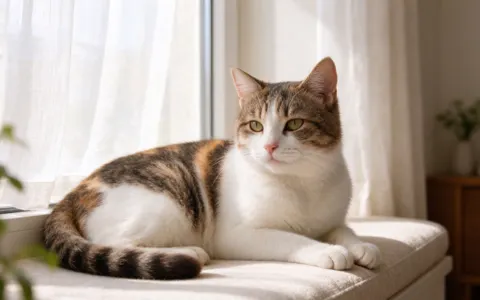
Your pet looks adorable, then the moment disappears as soon as you lift your phone. You don’t need a better camera. Start with a place your pet already feels comfortable, find soft light, and photograph what they’re doing naturally.
1. Start where your pet already feels at ease
Look for the rug your dog naps on after a walk, the window your cat watches, or the cardboard box they always return to. A familiar spot is more likely to give you a relaxed expression than moving your pet somewhere new and asking them to pose.
Try placing the window to one side of your pet. If bright sun makes a harsh patch across their face, pull a sheer curtain across the window. If a lamp makes one side of the coat look yellow, switch it off and compare the two shots.
2. Three pet photography angles that tell a story
A wide shot, a portrait, and a detail give you three different ways to remember the same moment.
Wide shot: include the room
Show the blanket, patch of sunlight, or rug that makes this scene feel familiar. Give your pet enough room in the frame to show where they are, and remove distractions from the edges if they pull attention away.
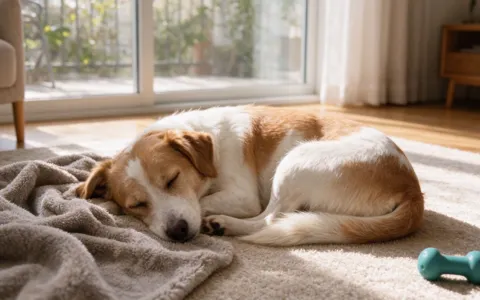
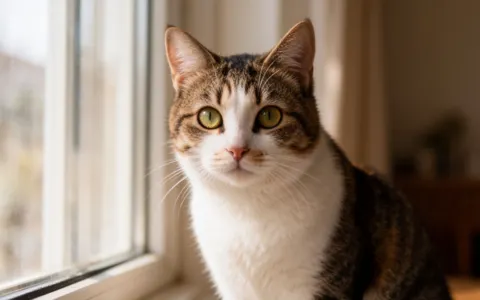
Portrait: get down to eye level
Crouch or sit so the lens is about level with your pet’s eyes. Tap the eye closest to you to focus. Step a little closer if your pet is comfortable with it; heavy digital zoom can soften the image.
A clear eye-level portrait can also help as a storybook reference. The pet photo-to-storybook guide explains how to choose photos and add the memories behind them.
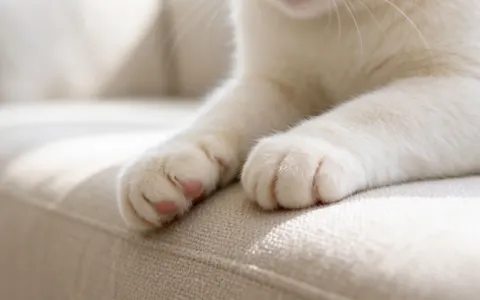
Detail: photograph a small thing you recognize
Look for a paw pad over the sofa edge, a spot on their nose, a tuft of white fur, or the way they hold a toy. Those little details are often what bring a memory back.
3. Five phone camera tricks for more natural photos
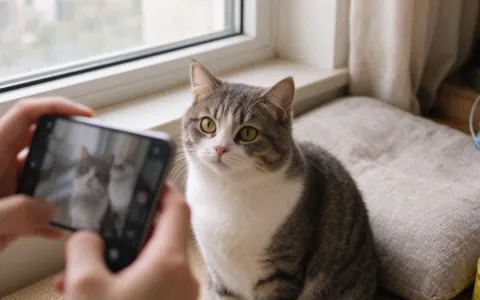
Use burst mode for movement
Look up how to start a burst on your phone, then try it when your pet chases a toy or turns their head. Photographing in a brighter spot often reduces motion blur, and you can keep the sharpest frame afterward.
Try a quiet cue or a familiar treat
Say their name gently, or ask someone to hold a familiar treat near the lens. Take the photo as they look up. Skip loud sounds if they make your pet startle.
Use familiar things as props
A well-loved toy or blanket can tell you more about your pet than a staged backdrop. Keep the frame simple enough that your pet is still the first thing you notice.
Turn off the flash
Direct flash can startle pets and create bright reflections in their eyes. Soft light from a window or a lamp to one side shows more detail in the coat.
Let your pet end the session
If they get up to leave, let them go. A minute or two during their regular routine often gives you better pictures than a long session.
Keep the photo that feels like them
An imperfect photo can capture an expression you recognize instantly. Next time, try taking those three shots in the same spot and see what each one tells you.
What’s the moment you most like to photograph?
To see how photos and everyday moments can inspire an illustrated story, browse Bella’s Adventure, an existing sample you can read before starting your own.