Cat care
Can an indoor cat be happy? What cats need at home
A cat watching from the windowsill may already be right where they want to be. Here’s how to make indoor life more interesting and spot changes that need veterinary attention.
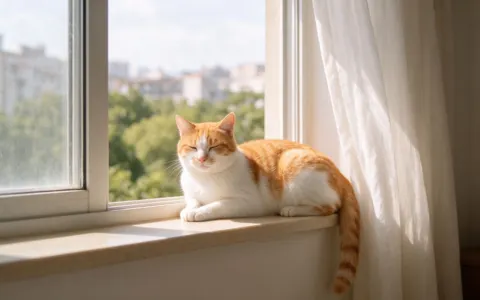
When your cat spends day after day indoors, it’s easy to wonder whether they feel cooped up. Many cats take comfort in a stable, familiar environment. Birds, passing cats, and moving shadows give them something to watch; a favorite window seat does not necessarily mean they want to go outside.
The sounds, smells, and animals in an unfamiliar outdoor space can be stressful. A cat watching the street from inside may simply be keeping tabs on what’s happening near home.
How to make indoor life more interesting for your cat
Cats spend much of the day resting, but their waking hours can have a rhythm of their own:
- Morning: make a round of the windowsill and hallway.
- Midday: nap in a sunny spot.
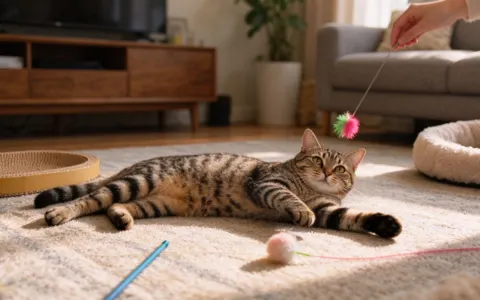
- Afternoon: scratch, chase a toy, or run across the room.
- Evening: spend a few minutes playing with you.
Give your cat a sturdy climbing spot, a scratching post, a hiding place, and toys they can chase. A secure perch by a window gives them something to watch while staying safely indoors.
A favorite window seat or evening game is worth remembering. Try a five-minute pet memory journal to save the small details alongside a photo.
Four common care mistakes to avoid
Everyday care matters just as much as a comfortable home. Here’s what to watch for.
1. Bathing too often
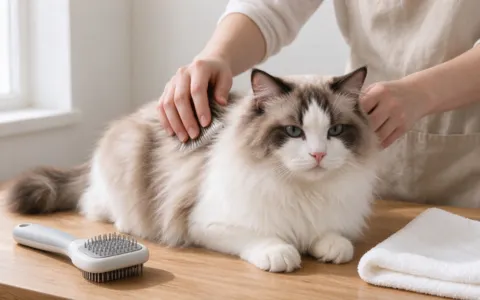
Most healthy cats groom themselves and do not need baths on a fixed schedule. Frequent bathing can dry or irritate their skin. Brush as needed, particularly if your cat has a long coat. If their coat becomes unusually greasy or matted, or their skin is red or itchy, ask your vet for advice.
2. Putting off a call to the vet when your cat seems in pain
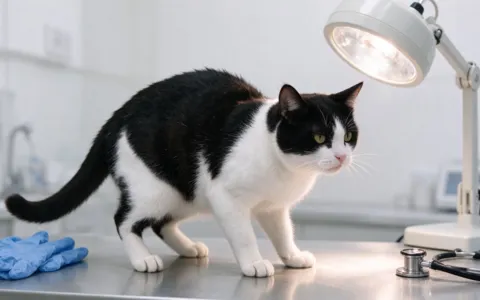
A cat that suddenly hunches, refuses to move, loses their appetite, or reacts painfully to being touched may be unwell. Pancreatitis is one possible cause, but those signs are not enough to diagnose it at home. Keep your cat calm and call a vet promptly. Don’t withhold food or water or give human medicine unless a vet directs you.
3. Dismissing repeated vomiting as hairballs
An occasional hairball can happen. If your cat vomits repeatedly, cannot keep water down, loses their appetite, or seems weak or in pain, contact a vet promptly. Kittens, older cats, and cats with existing health problems may need care sooner. Don’t delay care to try fasting or human medications.
4. Assuming indoor cats don’t need parasite prevention
Indoor cats can still pick up parasites. Signs that may warrant a veterinary check include:
- Losing weight despite a good appetite.
- Frequent licking or scooting around the rear.
- Persistent soft stools, diarrhea, or vomiting.
- Itching, hair loss, or small dark specks in the coat.
These changes can have causes other than parasites. Ask your vet to recommend prevention based on your cat’s age and exposure, and use only products approved for cats.
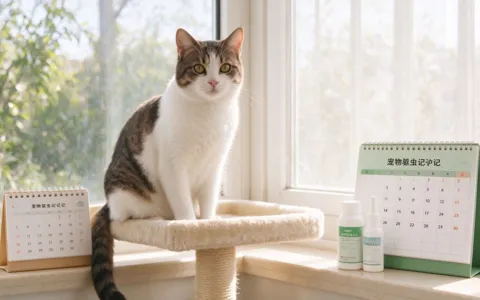
A good life can happen entirely at home
A stable home, a clean environment, regular meals, veterinary care, and time together can make an indoor cat’s life comfortable and interesting.
What’s your cat’s favorite spot at home?
For an illustrated example of everyday companionship, explore Memories of Coco, a sample pet keepsake story.